
In today's readings, we hear God tell Abram to go forth, leave his home, family, and all he knows. In the second reading, Saint Paul admits that there will be hardship, but we will receive strength from God. The account of the Transfiguration in Matthew’s Gospel (Ch.17) may seem so extraordinary that it is difficult to take anything from it that will apply to our mundane lives. But all the readings have much to say to each of us, and we must be willing to obey, to leave our comfort zone, if that is what God wants of us. Happily, God also tells Abram, and us, that you will be great, I will bless you.
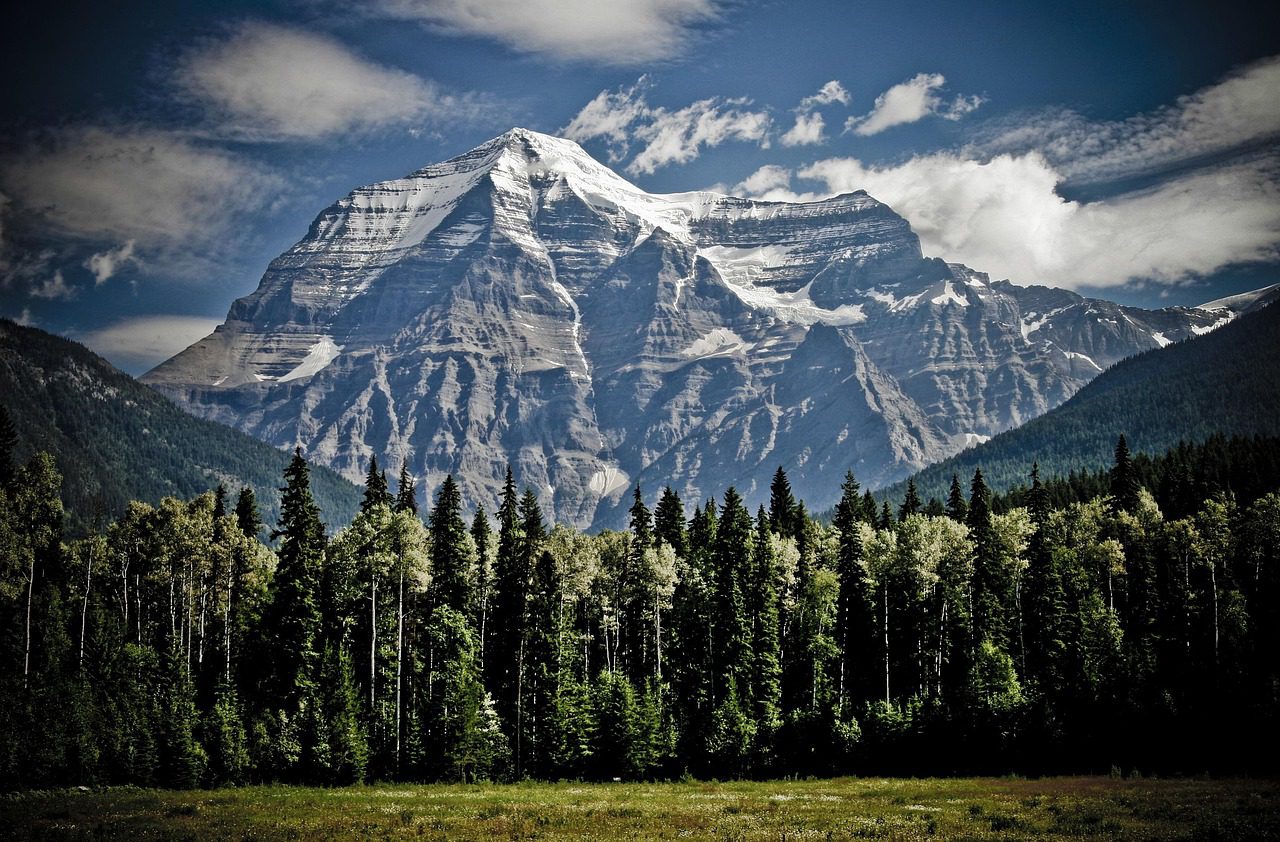
In our Lenten journey, this Sunday is a time for contemplation on the mountain. The Gospel reading about the transfiguration expresses an intense experience of the mystery of Christ. In Matthew's Gospel, many important faith experiences and events happen on mountains, such as Jesus’ temptation (Ch. 4), the Sermon on the Mount and the Beatitudes (Ch. 5), today’s transfiguration, and the sending of the disciples in the Great Commission (Ch. 28).
Rooted in the Hebrew Scriptures, mountains are significant places for God's revelation and presence to be revealed. The mountain is related to a sense of God's greatness, to the transcendent mystery, the source of all being. Here, Jesus is associated with all the signs connected to God's mystery and revelation: a mountain, a cloud, a light, a voice, and awe. But this holy setting aims at stressing the words of the voice, revealing Jesus' identity and calling us to listen to him. He truly is God's presence with us. The transfiguration takes place after the mention of Jesus' death in Jerusalem, the way to the passion and its drama. It reminds Matthew's readers of what is at stake in the coming passion and in their faith: the one on the cross and his options have God's full support. His path may seem incredible or strange but it is the one that God has chosen to be with us.
As Christians and religious, we are called to be witnesses. Not to just anything, but witnesses to faith in Jesus as our light and savior, as the gift of God in our journey. But faith is not only adhering to specific beliefs or taking stands for human dignity. Faith calls for personal involvement with the living Christ, with the Paschal Mystery of the passion, death, and resurrection. Faith implies a contemplative look at the face of the Risen One, who enlightens our lives and dwells in the most intimate part of ourselves and of the world.
Abraham was given the promise of a blessing. Paul received the gift of the manifestation of the risen Christ, as God's visible life. Matthew invites us to go up to the mountain and catch a glimpse of the Beloved Son in his glory, who is the sign of the new humanity that we are called to become and share. Today's readings are not focused on moral commitment, intellectual searching, or practices to implement. They deal God's mystery and light in our lives. They suggest that now is the time to stop running and to look more closely at Jesus on the cross.
Where is our mountain—the particular place where we had a stronger experience of God's presence, where we were overwhelmed by a sense of something greater or of the mystery of being alive? Where were we overwhelmed by a sense of something greater than ourselves, freeing us from our obsessions? Where did we have some insight into a wide universe still unknown and to be discovered?
The mountain may have been a weekend with a group in the countryside, where, for the first time, we experienced the wonder and awesomeness of Creation, or a special liturgy of great beauty that touched us deeply and renewed us. Or maybe the mountain is a place where we go once in a while, away from the crowd, to recenter ourselves and be reminded that life is given freely as gift. Or it may be music that widens our world and refreshes us or simply looking at people, at their faces, and sensing the uniqueness of each one.
There are so many kinds of mountains to which we can go. If we feel that our lives are losing their taste, that we can no longer admire and be surprised, that we are burdened by everything, maybe it's time for us to go back to our mountain and renew our sense of awe. We cannot stay on the mountain, even if it is good to be there. We will have to go down on the road where challenges and people in need await us. But the experience on the mountain will place things in perspective, so that we may walk more confidently in compassion together.
 Thanks to Sr. Margaret Glynn, OP, our Sacristan, for sharing this reflection for the second week of Lent at Vespers.