
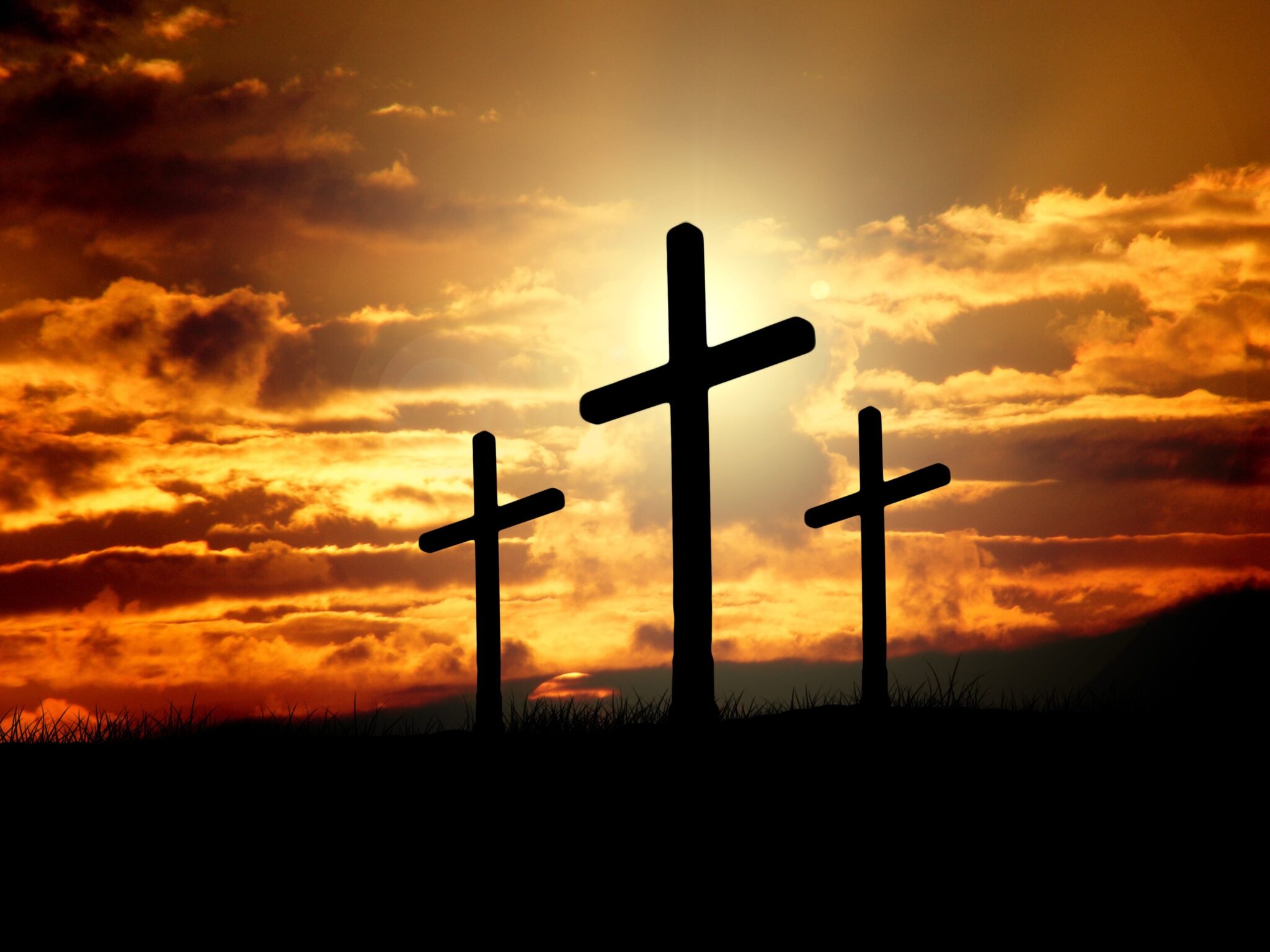
Today the Church presents us with a conundrum or a paradox of sorts—connecting the word exaltation with a symbol of intense suffering: the cross. We human beings think of triumph, victory, or jumping up for joy when we use the term exaltation, hardly a description of an instrument of torture.
However, we must distinguish the word cross from the act of crucifixion. Today this feast emphasizes not the word crucifix but a cross which does not display a corpus. This difference is highly significant, since it is a magnificent sign to each of us that beyond earthly pain and suffering lies the hope of eternal life. Now we no longer see a body in agony but just a vacant cross which inevitably points to an empty tomb and resurrection.
During this summer, we have witnessed the loss of a number of our sisters to death, and again and again we have heard the words at our liturgies, “Life is not ended but simply changed.” No other faith offers such hope (even though they may be morally good and righteous), but they all leave us at the grave. Not so in our faith. We believe in a God who conquered death and shares with us the promise of eternal life.
Today’s reading from St. Paul’s letter to the Corinthians reminds us that God’s act of entering our human experiences gives us the confidence that all of what we endure on this earth is but a moment in time compared to what awaits us in eternity. As St. Paul writes: “The Son of God did not regard equality with God something to be grasped, rather He emptied himself, taking the form of a slave, coming in human likeness, and found human in experiences. He humbled himself and became obedient to death, even death on a cross.”
These words of St. Paul are perhaps some of the most encouraging words of the New Testament, since they demonstrate the height and depth of God’s love for us in that God allowed His beloved Son, Jesus, to become no stranger to our earthly sufferings. He knew well hunger, poverty, thirst, slander, betrayal, failure, and an ignominious death. And perhaps the worst of all was His final act of self-emptying when His Father’s presence was denied to Him and resulted in His crying out, “My God, My God, why have you forsaken me?”
At that very moment, Jesus showed us how to become fully human and to empty ourselves as He did for others. And as a result of His complete sacrifice, God raised His Son in the glory of the resurrection, which is also promised to all of us at the end of our faithful journey.
And so, exaltation is indeed the proper word for today’s feast. So now we know that our sisters Jude Miriam, Paula Schmidt, Kathleen Gorman, Joan Barton, Theresa Docherty, Maureen Bradshaw, Sheila Mullins, and Mary E. Mooney, who have recently passed, are now exalted in eternal life with all who have preceded them. May this empty cross fill us today and every day with joyful hope.
– Sister Helen R. Boyd, OP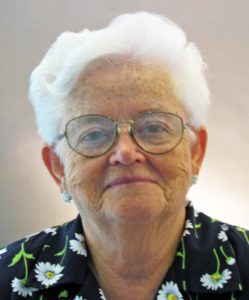
Sister Helen resides in Dominican Convent where she serves on the Life Enrichment Committee and co-chairs the Mission Outreach Committee. She also preaches regularly and helps coordinate rides for the Sisters.